Minimò: The Minimalist Sans Serif Typeface for Clean Craft Designs
When you are designing physical products, whether it is a batch of handmade candle labels, a set of wedding invitations, or digital printables for your Etsy shop, the typography you choose speaks volumes before the customer even touches the item. As a creator who spends hours perfecting every detail of a product, I have learned that less is often more. This is exactly where Minimò, a minimalist and simple sans serif font, becomes an indispensable tool in my design arsenal. Its incredibly versatile style allows me to create spectacular designs that feel modern, intentional, and professionally polished.
Why Minimalist Sans Serif Fonts Dominate Modern Branding
In the world of handmade goods and boutique branding, clarity is king. A sans serif font like Minimò strips away the decorative flourishes of traditional typefaces, leaving behind clean lines and open spaces that are easy on the eyes. This visual simplicity translates directly into perceived quality. When a customer sees a product label or a greeting card with crisp, uncluttered text, they subconsciously associate that cleanliness with high-quality craftsmanship.
Minimò’s neutral yet charming personality makes it suitable for a wide range of aesthetics. It works beautifully for farmhouse-style decor, modern boho weddings, corporate gift tags, and playful children’s party supplies. Because it lacks strong stylistic quirks, it acts as a perfect canvas, allowing other elements of your design—such as watercolor illustrations, botanical line art, or bold color blocks—to take center stage without competing for attention. This balance is crucial when creating brand identity assets that need to look cohesive across different mediums, from social media graphics to physical packaging.
Practical Applications for Handmade Products
One of the biggest challenges for crafters is finding a premium font that looks good at both large sizes and tiny scales. Minimò excels in this area. Here is how I use it across various product categories:
- Product Labels and Stickers: For small items like soap bars, bath bombs, or jewelry boxes, space is limited. Minimò’s legibility ensures that essential information like ingredients, care instructions, or brand names remains readable even on a 1-inch diameter sticker. Its simple structure prevents ink bleed issues when printing on textured paper or vinyl.
- Wedding and Event Stationery: Wedding stationery requires a delicate balance between elegance and readability. I use Minimò for addresses on envelopes, menu headers, and seating chart names. Its modern feel pairs exceptionally well with classic calligraphy scripts, creating a sophisticated look that appeals to contemporary couples.
- Digital Printables and Planners: When designing printable wall art or planner pages, consistency is key. Minimò serves as an excellent base for daily logs, habit trackers, or motivational quotes. Its clean lines ensure that the text does not clutter the page, making the final product feel organized and calming—a major selling point for productivity-focused buyers.
- Cricut and Silhouette Projects: If you cut vinyl for mugs, shirts, or tote bags, complex fonts can be frustrating. Thin serifs might break, and overly thick weights might lose detail. Minimò offers a reliable middle ground. Whether you are cutting a bold "Hello" sign for a nursery or a subtle monogram for a towel, the font holds its shape well during the weeding process.
- Holiday and Seasonal Packaging: During peak seasons like Christmas or Halloween, you need fonts that fit the theme without being cliché. Minimò can be used with festive colors or textures to create holiday-specific designs that still feel timeless. It avoids the dated look of some seasonal clip-art fonts, keeping your products relevant year after year.
Font Pairing Strategies for Maximum Impact
No single font can do everything, and part of the art of design is knowing how to combine typefaces. Minimò shines brightest when paired with contrasting styles. Because it is so understated, it provides a stable foundation for more expressive fonts.
A classic and highly effective combination is pairing Minimò with a script font or a handwritten font. Use the script font for the main title or decorative element to add personality and warmth, then use Minimò for body text, details, or secondary headings. This contrast creates visual hierarchy, guiding the viewer’s eye naturally through the design. For example, on a birthday invitation, a flowing brush script could spell out "Happy Birthday," while Minimò handles the date, time, and location with clear precision.
Another great option is pairing a bold display font with a simple serif font if you want a more editorial look. However, for most craft applications, the script-sans serif duo remains the gold standard. It bridges the gap between personal touch (handwritten) and professional polish (sans serif), which is exactly what today’s consumers expect from handmade brands.
Technical Considerations for Creators
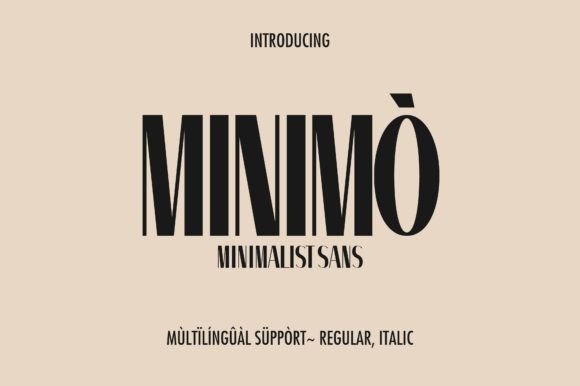
Before purchasing any creative font, it is vital to check the included styles and file formats. Ensure that Minimò comes in multiple weights (Light, Regular, Bold) so you have flexibility in your designs. Check for special characters, ligatures, or alternates that might add unique flair to specific words. Multilingual support is also important if you plan to sell internationally; verifying that the font supports the necessary accents and symbols for languages like Spanish, French, or German can save you headaches later.
Always test your chosen font in your actual production environment. If you are using a cutting machine, export your design as an SVG and preview it at the exact size you will cut. On screen, a font might look perfectly spaced, but when reduced to a small tag, letters might merge. Minimò’s generous spacing usually helps here, but always proofread carefully.
Commercial Licensing and Business Growth
As a seller, understanding commercial font licensing is non-negotiable. Using a font for personal projects is one thing, but selling products made with that font requires proper rights. Most premium fonts come with a commercial license that allows you to use them on physical goods you sell, such as t-shirts, mugs, and printed cards. However, there are distinctions between a "End Product License" and a "Digital Product License."
If you are selling templates, SVG files, or digital downloads where the customer receives the editable font file or the vector source code, you typically need a separate, more expensive license. Always read the terms provided by the font foundry. By ensuring you have the correct licenses for Minimò, you protect your business from legal issues and build trust with your customers. They know they are buying from a professional who respects intellectual property laws.
Conclusion
Minimò is more than just a collection of letters; it is a design asset that enhances the perceived value of your handmade creations. Its minimalist charm and versatility make it a staple for anyone looking to elevate their brand identity. Whether you are labeling artisanal goods, designing elegant stationery, or creating digital downloads, Minimò provides the clean, modern backdrop needed to let your creativity shine. By integrating this typeface into your workflow, you ensure that every product you release meets the high standards of readability, beauty, and professionalism that discerning customers demand.