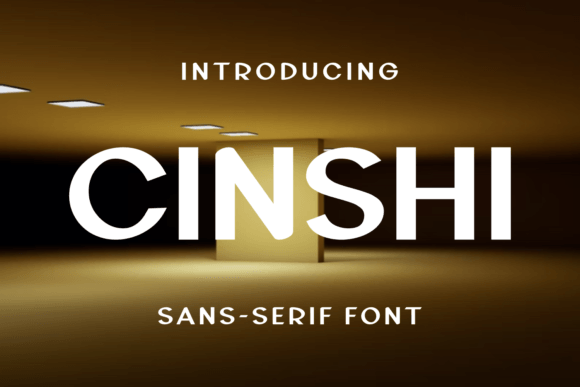
Cinshi: A Timeless Sans Serif for Handmade Branding and Product Design
The hum of the Cricut machine is usually the soundtrack to my creative process, but today it was quiet. I was sitting at my desk, staring at a blank Canva canvas, trying to finalize the label design for a new batch of soy candles. The wax had just set in the jars, smelling faintly of lavender and cedar, but the branding felt flat. I needed something that screamed "handcrafted" without looking cluttered or overly rustic. That’s when I opened my font library and found Cinshi. It wasn’t just another sans serif; it had a distinct, airy personality that immediately transformed the mood of the entire project.
If you are a crafter, printable creator, or small shop owner, you know that typography is often the unsung hero of product presentation. A great typeface can elevate a simple sticker into a collectible item or make a digital download feel like a premium experience. Cinshi offers exactly that kind of elevation. As a cool and unique sans serif font, it brings a modern yet timeless style to any design project, allowing makers to create spectacular designs that stand out in a crowded marketplace.
Why Cinshi Stands Out in Modern Typography
When browsing through freebies and fonts, it is easy to get overwhelmed by trends that fade quickly. Cinshi, however, feels grounded. Its visual personality is clean, balanced, and incredibly versatile. Unlike some geometric sans serifs that can feel cold or rigid, Cinshi has a subtle warmth in its curves and proportions. This makes it perfect for brands that want to appear professional but approachable.
The font’s distinct style shines brightest in display use. Whether you are designing a large-scale wedding welcome board or a small boutique clothing tag, Cinshi commands attention without shouting. Its letterforms are carefully crafted to maintain readability even at smaller sizes, which is crucial for product labels where space is limited. For handmade sellers, this means you don’t have to sacrifice legibility for aesthetics. You can keep your packaging sleek and high-end while ensuring customers can easily read the ingredients on a candle jar or the care instructions on a knitted scarf.
Real-World Applications for Makers and Sellers
I’ve been testing Cinshi across various mediums to see how it holds up in real-world production scenarios. Here is how this typeface translates from screen to physical product:
- Candle and Soap Labels: The clean lines of Cinshi pair beautifully with minimalist packaging. When used for the product name, it looks sophisticated against kraft paper or matte white stickers. The negative space within the letters allows the texture of the paper to show through slightly, adding a tactile element to the visual design.
- Greeting Cards and Stationery: For birthday invitations or holiday cards, Cinshi serves as an excellent primary font for headers. It pairs effortlessly with more decorative elements. I used it for the main date and location details on a set of wedding invitations, where it provided a sturdy anchor against delicate floral illustrations.
- Printable Wall Art: Digital downloads are a huge part of many maker businesses. Cinshi works wonderfully for motivational quotes or nursery art. Its timeless appeal ensures that a print bought today will still look stylish five years from now, reducing returns due to "dated" designs.
- Tote Bags and Apparel: When cutting vinyl for shirts or printing directly onto fabric, clarity is key. Cinshi’s sans serif structure cuts cleanly on vinyl plotters, resulting in sharp edges without excessive weeding time. On tote bags, it gives a streetwear-inspired, modern vibe that appeals to a broad audience.
- Boutique Tags and Packaging: Small business owners often struggle with brand consistency. Using Cinshi for hang tags, thank-you cards, and shipping inserts creates a cohesive brand identity. Customers recognize the font before they even see the logo, building trust and familiarity.
Design Tips for Maximum Impact
To get the most out of Cinshi, consider how you are using it in relation to other design elements. Because it is a strong display font, it works best when given room to breathe. Avoid overcrowding your layouts with too many competing typefaces.
Font Pairing Strategies
While Cinshi is powerful on its own, pairing it with complementary fonts can add depth to your designs. Since Cinshi is a sans serif, it pairs naturally with:
- Simple Serif Fonts: Use a classic serif for body text or secondary information. The contrast between the modern sans serif of Cinshi and the traditional elegance of a serif creates a balanced, editorial look perfect for blog graphics or detailed product descriptions.
- Script or Handwritten Fonts: For a softer, more personal touch, pair Cinshi with a casual script. Use Cinshi for the structured parts (like dates or addresses) and the script for accents or signatures. This combination is popular in wedding stationery and handmade gift tags.
- Bold Display Fonts: If you need emphasis, avoid pitting two heavy sans serifs against each other. Instead, use Cinshi as the stable base and introduce a bold, quirky display font for one-word highlights.
Readability and Cutting Machine Considerations
For those using cutting machines like Silhouette or Cricut, test your designs at the actual size you intend to cut. While Cinshi is generally clear, intricate details might get lost if scaled down too far on small stickers. Always do a test print or a quick cut on scrap material to ensure the kerning (spacing between letters) remains intact. For digital products, such as planner pages or social media templates, ensure you export your files in high-resolution formats (PNG or PDF) so the crisp lines of the font remain sharp on all devices.
Technical Details and Licensing
Before incorporating Cinshi into your commercial products, it is essential to review the specific license included with the freebie. Most free fonts allow for personal use, but commercial licensing varies. Some creators permit the use of their fonts on physical goods sold online, while others may restrict usage to digital-only items or require attribution.
Check for included styles, alternates, ligatures, and swashes. These features can add unique character to your designs without needing extra assets. Also, verify multilingual support if you plan to sell internationally or include phrases in multiple languages. Ensuring you have the correct file format (usually .OTF or .TTF) guarantees compatibility with your preferred design software, whether that is Adobe Illustrator, Photoshop, Procreate, or Canva.
Elevating Your Craft with Thoughtful Design
In the world of handmade goods, details matter. Customers connect with brands that feel intentional and cared for. By choosing a typeface like Cinshi, you are making a conscious decision to prioritize quality and aesthetic harmony. It transforms mundane labels into brand statements and simple cards into keepsakes.
As you continue to develop your shop materials, seasonal collections, or digital templates, remember that typography is a tool for storytelling. Cinshi tells a story of modern simplicity and timeless charm. Let it guide your designs, and watch as your products gain a new level of polish and professionalism. Whether you are creating festive holiday tags or everyday essentials, this font provides the reliable foundation your creativity needs to shine.